




Short answer: An all-in-one residential energy storage system is usually better when the project needs faster installation, fewer compatibility decisions, compact equipment, and one support path. A separate inverter and battery system may be better when the home already has compatible equipment, requires a specialized component, or will expand in stages. The right choice depends on electrical compatibility, backup loads, usable battery capacity, serviceability, local grid rules, and total installed cost.
How All-in-One and Separate Energy Storage Systems Work
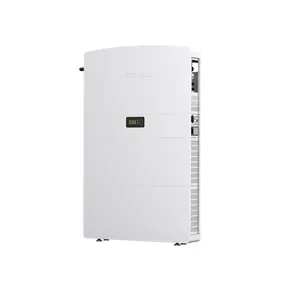
An all in one energy storage system integrates the main power-conversion, battery-management, monitoring, and enclosure functions into a coordinated residential platform. Depending on the design, the battery modules may be installed inside the same cabinet or connected as matched modules. Integration does not automatically mean that capacity cannot be expanded; the supported number of battery modules and parallel units depends on the selected product.
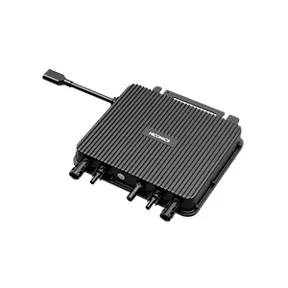
A separate system combines an independently selected hybrid inverter, battery modules, battery management system, protection devices, and monitoring equipment. This architecture can offer more component choice, but each interface must be checked. The inverter and battery must agree on voltage range, charge and discharge current, communication protocol, operating limits, and fault behavior.
The architectural difference changes more than appearance. It affects design responsibility, installation labor, commissioning, warranty boundaries, spare-parts planning, and the steps required to diagnose a fault.
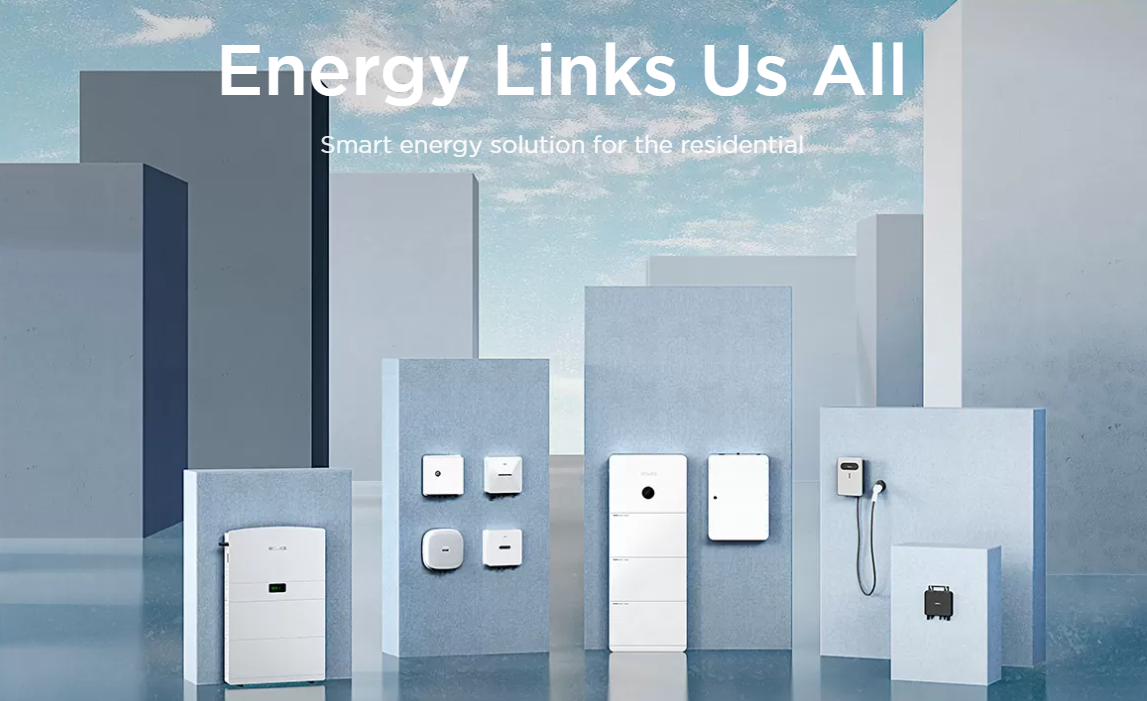
All-in-One RESS vs Separate Components: Eight Key Differences
| Decision factor | All-in-one RESS | Separate inverter and battery |
| Compatibility | Components are designed and validated as one platform | Installer must verify every electrical and communication interface |
| Installation | Fewer separate devices and interconnections may reduce site work | More equipment, cabling, protection, and configuration may be required |
| Footprint | Usually compact and visually coordinated | Layout depends on the number and size of individual components |
| Expansion | Limited to the platform's supported modules and parallel rules | May provide more options if future components remain compatible |
| Fault isolation | One support path, but an integrated fault may affect the complete system | A failed component may be replaced independently after diagnosis |
| Warranty | Responsibility is commonly easier to trace within one product platform | Different suppliers may cover different parts of the system |
| Controls | Energy management is coordinated within the platform | Third-party integration may offer flexibility but needs more engineering |
| Cost | Evaluate equipment plus potential savings in design and installation | Component prices may be flexible, but integration labor can increase |
Do not compare quotations by battery capacity or inverter power alone. Ask each supplier to state what is included: protection equipment, meters, gateway, backup interface, mounting hardware, commissioning, monitoring access, training, and warranty support.
Installation Expandability and Maintenance
An integrated platform can reduce the number of component combinations that an installer must validate. An all in one inverter and battery can also simplify physical layout and provide one configuration environment. Before promising a short installation, confirm the switchboard modifications, backup-load circuit, meter location, communications, grounding, permits, and commissioning tests required at the actual site.
Expansion should be defined precisely. Battery expansion means adding usable energy capacity. Inverter parallel operation increases power capability or supports a larger system. Adding photovoltaic capacity depends on the inverter's input voltage, current, and MPPT limits. A system may support one type of expansion without supporting the others.
Maintenance creates a different tradeoff. One supplier can make fault ownership clearer, but an integrated inverter failure may stop both solar conversion and battery operation until service is completed. A separate system may allow one component to be replaced independently, although diagnosis can take longer when several vendors are involved. Buyers should ask about remote diagnostics, module-level replacement, local spare parts, response time, and the procedure for recovering configuration data.
Backup Power Requirements and Battery Sizing
Start with the loads that must operate during an outage. Record each appliance's running power, starting or surge demand, daily energy use, and operating priority. The inverter must supply the simultaneous power demand, while the battery must provide enough usable energy for the required duration. A system with sufficient kilowatt-hours can still fail the design if its output power or surge capability is too low.
A simple preliminary estimate is:
Required nominal battery capacity = critical-load energy ÷ usable capacity fraction
If critical loads consume 8 kWh during the desired backup period and the design allows 80% of nominal battery capacity to be used, the preliminary result is 10 kWh. The final calculation should also consider conversion losses, reserve state of charge, temperature, battery aging, solar contribution, and any minimum capacity required by the inverter.
For comparison, 5 kWh may cover a limited set of essential loads for a short period, while 20 or 30 kWh may support longer backup or more appliances. These figures are planning categories, not universal recommendations. Use measured consumption data whenever possible, then test the proposed design against both normal operation and the worst credible outage scenario.
Single-Phase Three-Phase and Best-Fit Scenarios
The storage system must match the home's service arrangement and local interconnection rules. A single-phase home normally requires a compatible single-phase or split-phase solution. A three-phase property may need balanced output, unbalanced phase support, or backup across selected phases. The correct topology depends on the grid connection, essential-load panel, large motor loads, export limits, and utility requirements.
An all-in-one RESS is often the better choice for a new installation, a home with limited equipment space, or a distributor that needs a repeatable package with fewer compatibility variables. It can also suit installers who want one commissioning workflow and one primary support contact.
Separate components may be preferable when a compatible inverter is already installed, the customer requires a particular battery or control platform, or the project will expand in planned stages. This route also fits unusual applications that require a specialized inverter, battery chemistry, energy-management interface, or service strategy. Existing equipment should not be assumed compatible based on brand name alone; confirm the approved model combination and firmware version.
Installer and Distributor Procurement Checklist
Electrical fit: Confirm grid type, nominal voltage, frequency, phase arrangement, continuous output, surge output, and allowable export.
Battery design: Check nominal and usable capacity, operating temperature, supported module count, charge and discharge limits, and expansion rules.
Solar input: Match photovoltaic string voltage and current to the MPPT operating ranges and input limits.
Backup operation: Define essential loads, transfer behavior, off-grid capability, restart sequence, black-start conditions, and generator compatibility if required.
Compliance: Request the certificates, test reports, grid approvals, installation instructions, and labels required in the destination market.
Environment: Verify ingress protection, mounting location, clearances, temperature limits, noise, ventilation, and fire-safety requirements.
Digital functions: Review monitoring ownership, data access, remote service, firmware updates, time-of-use settings, API availability, and VPP compatibility.
Commercial support: Compare warranty terms, exclusions, local service coverage, spare-parts availability, training, return procedures, and escalation contacts.
A complete quotation should identify every assumption. Distributors should also ask whether product configuration, documentation, packaging, firmware, and after-sales support can be standardized for their target market.
Frequently Asked Questions
Is an All-in-One RESS Cheaper?
Not always at equipment level. It may reduce design, cabling, installation, and commissioning work, which can lower total installed cost. Compare equivalent battery capacity, inverter output, backup functions, protection equipment, monitoring, warranty, and labor before deciding.
Can an All-in-One Battery System Be Expanded?
Many systems support additional battery modules or parallel units, but expansion is limited by the product architecture. Confirm the maximum module count, compatible battery generations, firmware requirements, commissioning procedure, and whether older and newer modules can operate together.
What Happens If the Integrated Inverter Fails?
The available solar and battery functions may stop until the inverter module or complete unit is repaired. Ask whether modules are field replaceable, how configuration is restored, whether remote diagnosis is available, and how quickly local service can provide parts.
How Many kWh Does a Home Battery Need?
Calculate the energy consumed by the selected backup loads during the required outage period, then adjust for usable capacity, losses, reserve charge, temperature, and aging. Whole-home backup normally requires more capacity and output power than an essential-load design.
Can an All-in-One RESS Work Without the Grid?
Only if the system supports backup or off-grid operation in the proposed configuration. Confirm transfer behavior, essential-load output, black-start capability, photovoltaic operation during an outage, grounding method, and any limits on large or motor-driven loads.
Is an All-in-One RESS Suitable for Three-Phase Homes?
Yes, when the selected model and system design support the property's three-phase service and local grid rules. Check phase balancing, unbalanced-load capability, backup coverage, meter arrangement, and whether one or all phases remain powered during an outage.
Need a project-specific configuration? Prepare the load profile, electrical service details, solar array data, backup requirements, installation conditions, and target market. Then contact Hiconics to review the proposed residential storage system.

